7 Stunning Mirror Cube Patterns That Will Look Amazing on Your Shelf
Transform your Mirror Cube into art! Discover 7 stunning patterns like the Superflip and Cube-in-a-C...
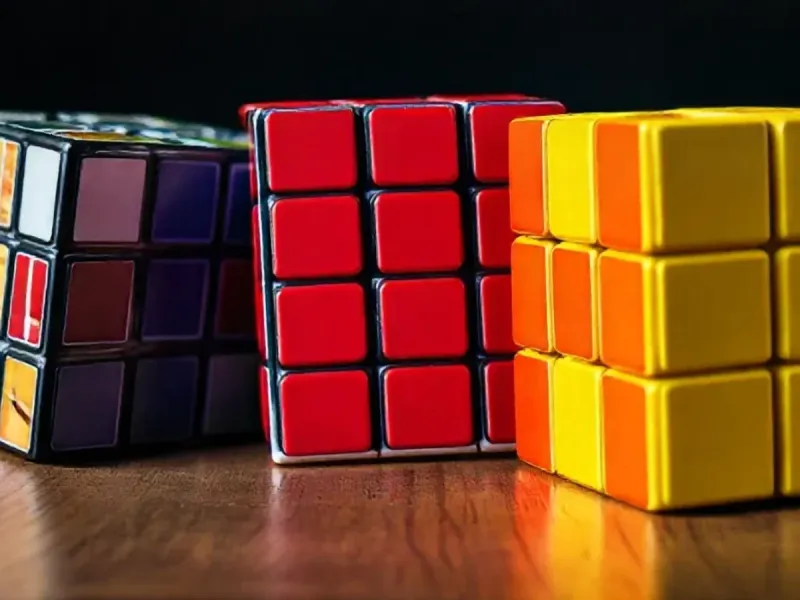
When the Rubik's Cube first exploded onto the scene in the 1980s, there was only one way to distinguish the faces: vinyl stickers. However, as speedcubing evolved into a professional sport, manufacturers began experimenting with different ways to apply color to the plastic. Today, cubers are faced with a choice between stickerless, stickered, and tiled textures.
In this guide, we will break down the pros and cons of each texture to help you decide which one belongs in your collection.
Stickered cubes consist of a black (or sometimes white/primary) plastic core with colored vinyl stickers applied to each piece. For decades, this was the only option for competitive cubers.
Stickerless cubes are manufactured using colored plastic for the pieces themselves. In the past, these were banned in official WCA (World Cube Association) competitions, but that rule was lifted in 2015, leading to their massive surge in popularity.
Tiled cubes are a hybrid. They feature thick, durable plastic tiles that are inset or snapped into the cube faces. These are often found on "pro" versions of certain brands or specialized cubes like the GAN 356 i series.
If you are planning to compete, you should know that both stickered and stickerless cubes are currently legal in all WCA-sanctioned events. Tiled cubes are generally legal as long as the tiles do not provide an unfair advantage (like a tactile pattern that lets you feel the color).
Which should you choose? For the vast majority of cubers—from beginners to world-class elites—stickerless cubes are the recommended choice. They require zero maintenance and the colors never fade. However, if you love the classic look of black plastic and want to customize your shades, stickered cubes are still a fantastic option.